Stop Confusing Them: The Ultimate Comparison Guide to Fumed Silica vs. Silica Fume
Jan 23, 2026
In a nutshell: They're entirely different “generations”!
Before you rush off, remember this analogy:
Fumed silica is like a finely tailored “nanoscale additive”
Silica fume is an industrial byproduct “super-strengthener”
Confusing them not only leads to technical blunders but can also result in selecting the wrong material, misapplying it, and causing losses. Below, we'll thoroughly dissect these “silica twins.”
1.Core Differences: Starting with “Origin”
Fumed Silica - The Carefully Cultivated “Noble”
Production Method: Combustion hydrolysis of precursors like silicon tetrachloride or methyl chlorosilane in a high-temperature flame (approx. 1800°C)
Essence: A specially produced ultrafine, high-purity silica powder
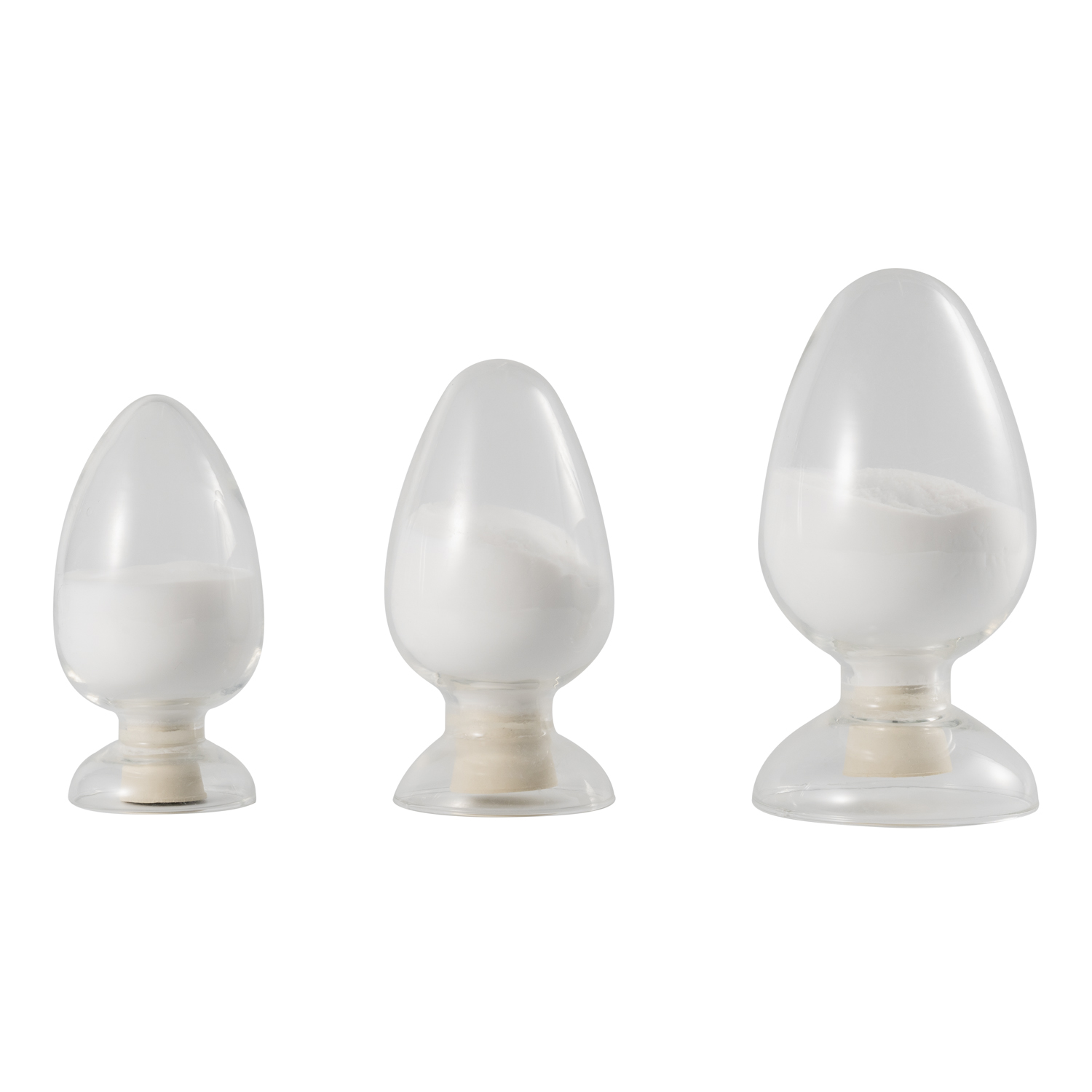
Appearance: Fluffy white powder resembling super-fine flour
Core Keywords: Precision manufacturing, nanomaterials, functional additives
Silica Fume - An Industrial Gem Turning Waste into Treasure
Source: By product collected from electric arc furnaces during silicon metal or ferrosilicon alloy production
Essence: Ultra-fine particles recovered and processed from industrial byproducts
Appearance: Gray or grayish-white powder (due to trace carbon content)
Core Keywords: Industrial byproduct, concrete reinforcement, eco-friendly recycling
2.Vast Differences in the Microscopic World: Structure Determines Distinctions
Properties
Fumed Silica
Silica Fume
Particle Size
Ultrafine: 5-50 nm (primary particles)
Fairly Fine: ~150 nm (average)
Specific Surface Area
Extremely High: 50-400 m²/g
High: 15-30 m²/g
Purity
Extremely High: SiO₂ > 99.8%
Fairly High: SiO₂ > 85-98% (impurities present)
Structural Form
Amorphous, chain-like three-dimensional network structure
Amorphous, predominantly spherical particles
Agglomerative Tendency
Extremely prone to forming three-dimensional aggregates
Relatively low agglomeration tendency
Simple Analogy: If particles were sand, fumed silica resembles the finest, nano-scale white sand found on beaches, while silica fume resembles high-grade construction sand that has been screened.
3.Application Fields: Each Serves Its Purpose, Never Overstepping Boundaries
①Applications of Fumed Silica
Master of Thickening and Thixotropy
Paints & Coatings: Prevents sagging, ensuring wall coatings “stand tall”
Adhesives & Sealants: Provides thixotropy, preventing spread during extrusion
Cosmetics: Controls emulsion viscosity, enhances skin feel
Reinforcement Expert
Silicone Rubber: Significantly boosts tensile strength and tear resistance
Composite Materials: Enhances mechanical properties
Anti-Settling & Anti-Caking Specialist
Powdered Foods (e.g., coffee creamer): Prevents clumping
Pigments & Dyes: Prevents sedimentation
Specialty Functional Materials
Drug Delivery Systems
CMP Polishing Slurries
Thermal Insulation Materials
②The Core Battlefield of Silica Fume
The “Superhero” of the Concrete Industry
Enhanced Strength: Increases 28-day compressive strength by 30-100%
Improved Durability: Significantly reduces permeability and resists chloride ion corrosion
Reduced Alkali-Aggregate Reaction: The inhibitor for concrete's “cancer”
High-Performance Concrete: Essential material for skyscrapers and cross-sea bridges
Reinforcing Agent for Refractories
Micro-Filler for Cementitious Materials
Key Note: You'll rarely see fumed silica used in concrete, nor silica fume in cosmetics or silicone rubber. Their price difference is substantial (fumed silica typically costs several to dozens of times more than silica fume)—using the wrong one comes at a high cost!
4.Identification Techniques: How to Spot It at a Glance?
On the Data Sheet:
Look for “Specific Surface Area”: >100 m²/g? Likely fumed silica.
Check “Silica Content”: >99.8%? Almost certainly fumed silica.
Examine “Bulk Density”: Extremely low (~50 g/L)? A hallmark of fumed silica.
Search for “Brand Names”: Does it list “Aerosil,” “Cabosil,” or “HDK”? Definitely fumed silica
On Physical Samples:
Color: Pure white vs. Grayish white
Texture: Extremely fluffy, light as dust vs. Relatively dense
Price Tag: Expensive vs. Relatively economical
5.Clarifying Common Misconceptions
Misconception 1: “They're all silica, so they should be interchangeable.”
Truth: Just as diamonds and graphite are both carbon but exhibit vastly different properties, these materials differ completely in particle size, surface chemistry, and agglomeration structure. Their functionalities are not interchangeable.
Misconception 2: “Fume silica is just a cheaper version of fumed silica.”
Truth: They originate from different production sources. This isn't a matter of “high-end vs. low-end” but rather “different product categories.”
Misconception 3: “The term ‘silica’ in literature refers to the same substance.”
Truth: Context is crucial! In polymer literature, “silica” typically denotes fumed silica or precipitated silica; in building materials literature, it often refers to silica fume.
Read More



 IPv6 network supported